-
DOCTOR
Lorem ipsum dolor sit amet, consectetur adipiscing elit, sed do eiusmod tempor incididunt ut labore et dolore magna aliqua. -
Specileast
Lorem ipsum dolor sit amet, consectetur adipiscing elit, sed do eiusmod tempor incididunt ut labore et dolore magna aliqua. -
Services
Lorem ipsum dolor sit amet, consectetur adipiscing elit, sed do eiusmod tempor incididunt ut labore et dolore magna aliqua.
Hope Clinic
Hope Clinic, Neelyog Veydaanta, 1st Floor, Unit-006 Andheri – Ghatkopar Link Road Nityanand Nagar, near Shreyas Cinema Road, Signal, Ghatkopar West, Mumbai, Maharashtra 400086
Powai Hospital
Powai Hospital & Polyclinic, Opp – IIT Main Gate, Powai, Mumbai – 400076
Call Us Now
Hope Clinic
+91 7039767537
Powai Hospital
+91 93728 16519
Opening Hours
Monday to Saturday
07:00 pm - 10:00 pm
OUR SERVICES
OUR PROFESSIONAL DOCTOR
Dr. Aditya Dhawale
MBBS, MD - General Medicine, DNB – Cardiology Interventional Cardiologist
Dr. Aditya Dhawale is a leading cardiologist with an experience of 14 years in the field. He is a compassionate and caring doctor who strives to provide the best care and treatment to his patients. He has a vast knowledge and expertise in diagnosing and treating heart diseases. He is highly qualified and trained, having completed his DNB Cardiology from Jehangir Hospital, DNB Board in February 2016 to 2019, & MD Medicine from Dr. VPM Medical College, Nashik, in June 2015, and MBBS from M.G.M. Maharashtra University of Health Sciences, Nashik in December 2009.
Contact Us :-
Mail Us :-
Powai Clinic Address :-
Contact Us :-
Clinic Timing
Monday to Friday
10:00 am - 01:00 pm
06:00 pm - 11:00 pm
Saturday & Sunday
10:00 am - 02:00 pm
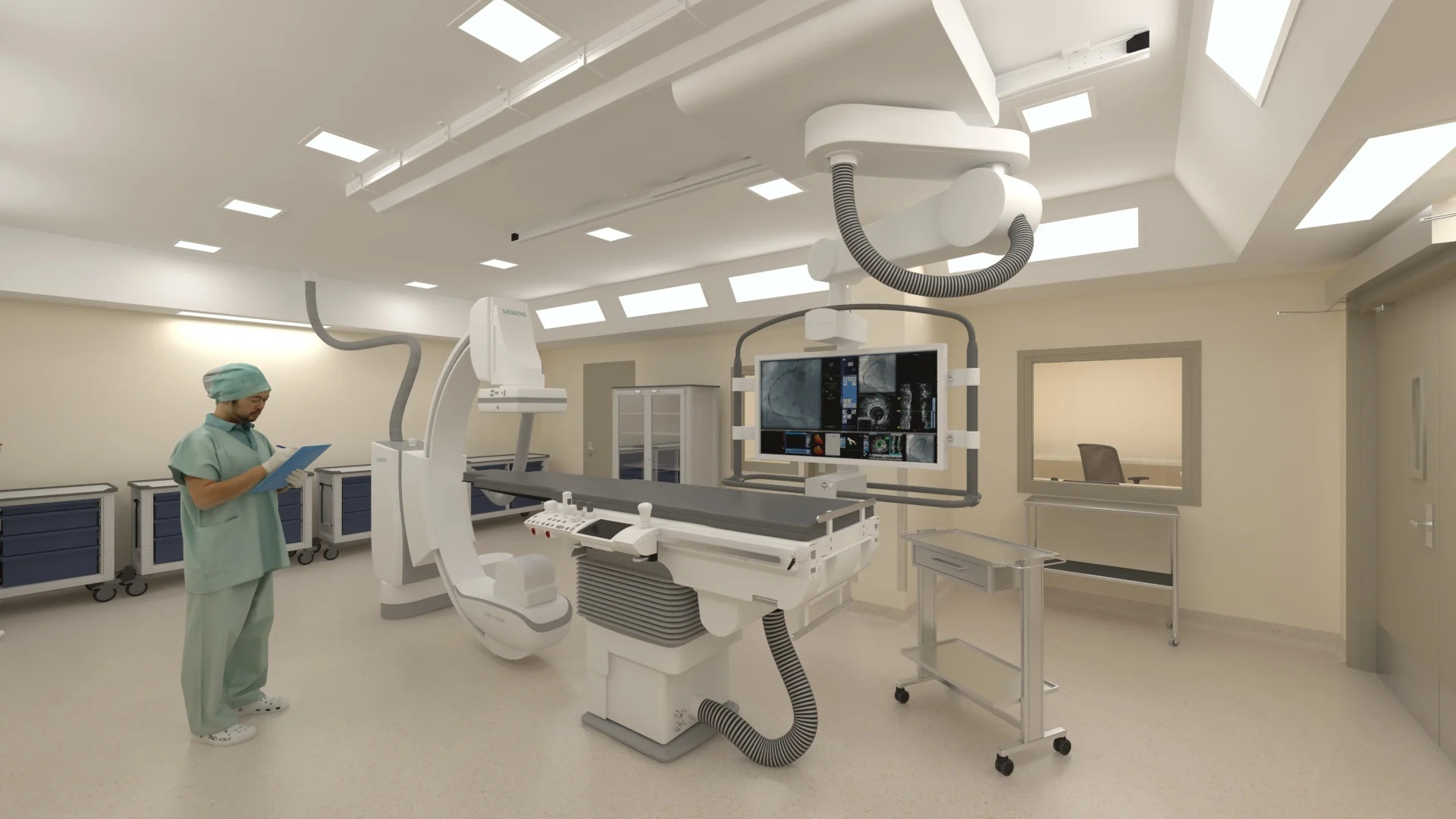
Take a small Ride of our Clinic
Lorem ipsum dolor sit amet, consectetur adipiscing elit, sed do eiusmod tempor incididunt ut labore et dolore magna aliqua.


FAQ
A cardiologist is a medical doctor who specializes in diagnosing and treating conditions related to the heart and cardiovascular system.
Cardiologists treat a wide range of conditions, including heart disease, heart attack, high blood pressure, arrhythmias, heart valve disease, and congenital heart defects.
The most common symptoms of heart disease include chest pain or discomfort, shortness of breath, fatigue, dizziness, and heart palpitations.
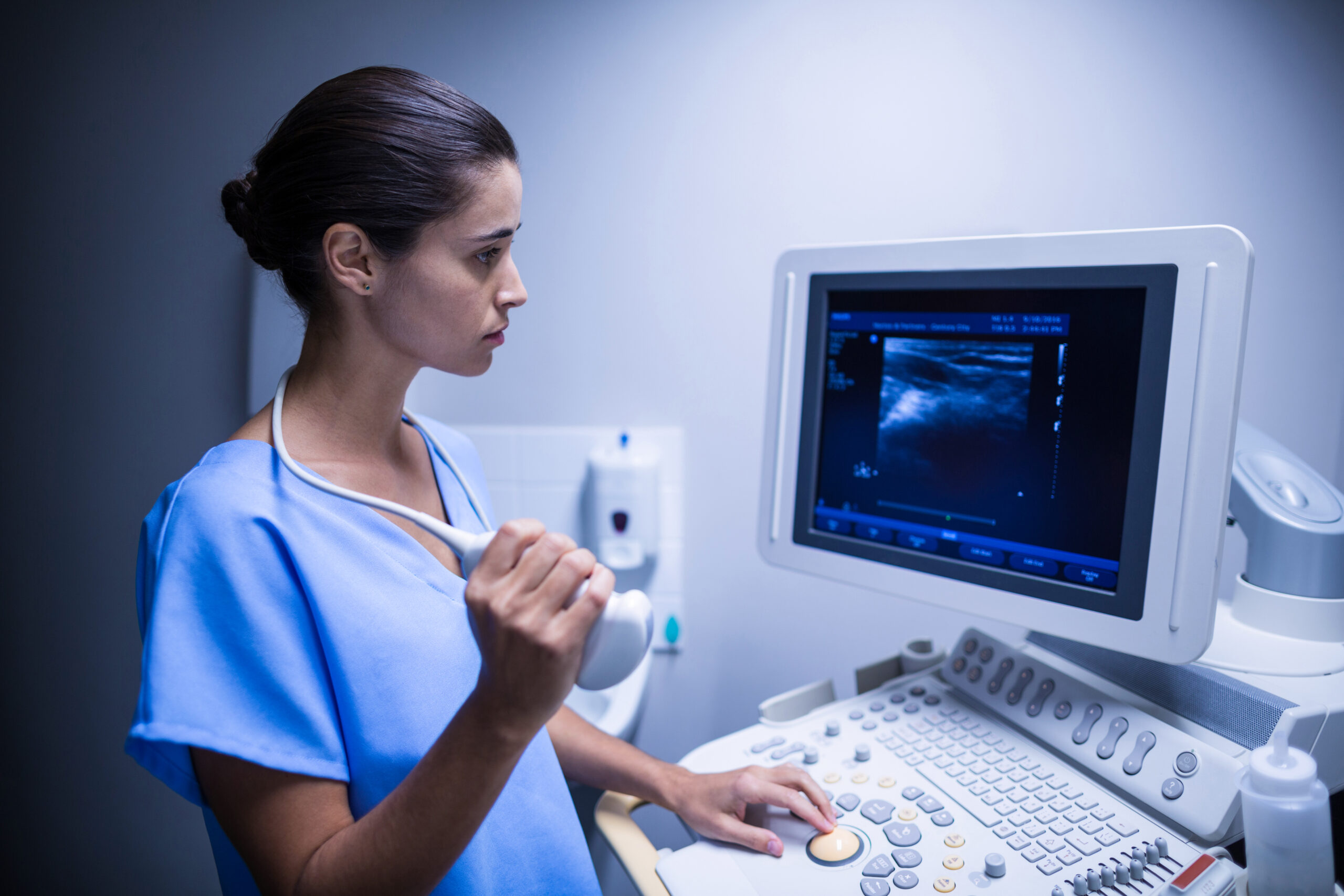
Heart disease can be diagnosed through a variety of tests, including electrocardiogram (ECG), echocardiogram, stress test, cardiac catheterization, and angiography.
The risk factors for heart disease include high blood pressure, high cholesterol, smoking, obesity, diabetes, family history of heart disease, and a sedentary lifestyle.
You can prevent heart disease by maintaining a healthy diet, staying physically active, not smoking, maintaining a healthy weight, managing stress, and getting regular check-ups from your doctor.
Treatment options for heart disease depend on the specific condition and severity. Treatment may include lifestyle changes, medications, medical procedures, or surgery.
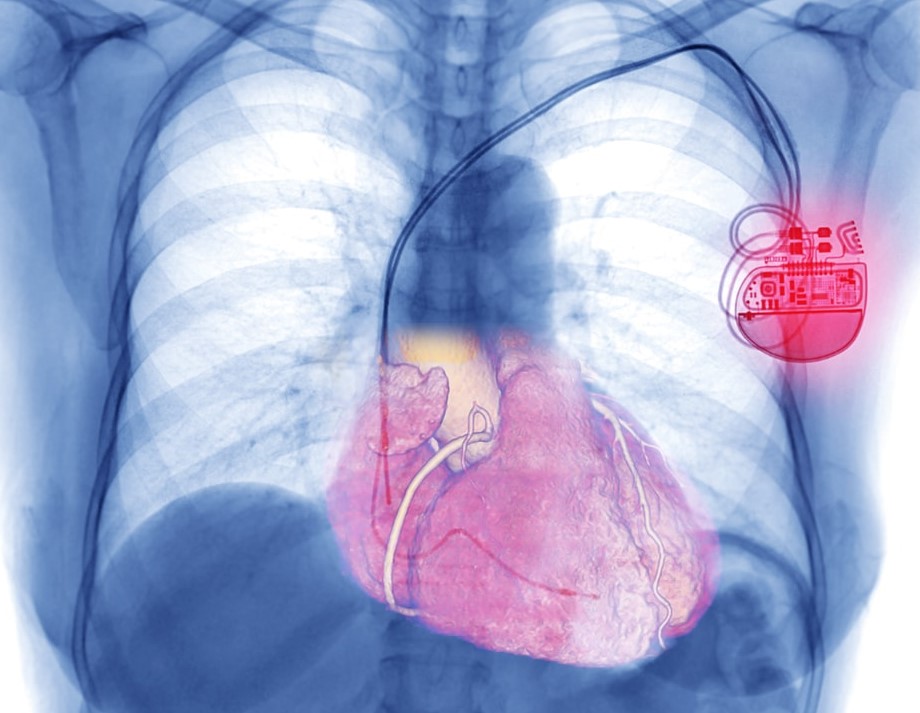
A pacemaker is a small device that is implanted under the skin of the chest to help regulate the heart’s rhythm.
Angioplasty is a medical procedure in which a small balloon is inflated inside a blocked or narrowed artery to improve blood flow. This may be done alone or with the placement of a stent to help keep the artery open.
You should consider seeing a cardiologist if you have any symptoms or risk factors related to heart disease. Some common symptoms that may indicate a need to see a cardiologist include:
- Chest pain or discomfort
- Shortness of breath
- Irregular heartbeat
- Dizziness or fainting
- Swelling in the legs or ankles
- High blood pressure
- High cholesterol
- Family history of heart disease
- Smoking or other forms of tobacco use
- Diabetes
If you have any of these symptoms or risk factors, it’s important to talk to your primary care doctor about whether a referral to a cardiologist is necessary. Your doctor may also recommend seeing a cardiologist if you have a history of heart disease, have had a heart attack or stroke in the past, or have undergone heart surgery or other heart-related procedures.